Column · @petalnotes67
A Florist’s Guide to Safer Outdoor Displays
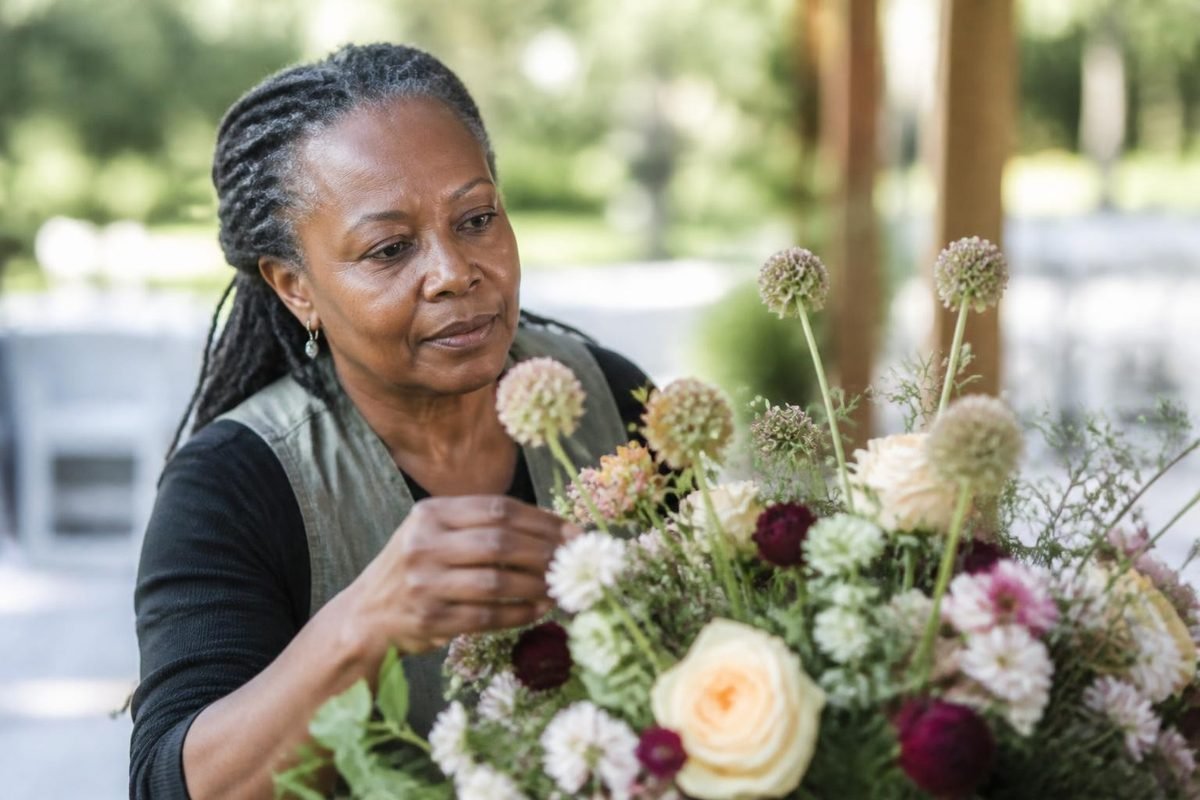
Florists can help prevent invasive plants from spreading outdoors by checking local rules before selecting flowers and keeping seeds, roots, and cuttings contained. A careful cleanup is part of the job, too: even a small scrap of live plant can sometimes take hold somewhere new.
Check each plant before ordering
Begin by finding out where the display will be installed. A plant that causes problems in one area may be harmless in another, so consult local government guidance, a botanical garden, or an agricultural extension service. Ask the venue about its own restrictions as well, especially if the site is close to a natural area or water.
Look up the scientific name of each plant. Common names can describe several different species, and a supplier’s listing may not provide enough detail to tell them apart. If you cannot confirm what a plant is, choose a reliably identified substitute rather than guessing.
Native plants from the area can be a sensible place to start, but do not skip the checks. Make sure they suit the site and were grown or collected responsibly. Ask suppliers about the origin of their plant material; being sold nearby does not necessarily mean it was grown nearby.
Plan the design to keep plants in place
Consider what could fall, blow, or wash away during the event. Wind may carry loose seed heads, and rain can move bits of foliage or soil into drains and waterways. If you cannot secure them properly, avoid plants bearing ripe seeds or berries.
A few practical choices can make an outdoor display easier to manage:
- Select plants you can identify and that are not listed as invasive in the local area.
- Where possible, use flowers and foliage that have no mature seeds.
- Leave potted plants in their pots and take care not to spill their soil.
- Fasten stems and decorative pieces so they do not wander off on their own.
- Keep loose plant matter clear of drains, water, and natural vegetation.
Match the design to the site’s conditions, not only its appearance. A sheltered arrangement may cope with a gentle breeze, while an exposed spot may call for a simpler setup. Check the display during the event and pick up anything that has come loose or fallen.
Clear the site after the event
Set aside enough time for a proper tidy-up. Collect stems, petals, berries, soil, and other plant debris from the display and nearby ground. Before taking containers or transport materials elsewhere, check them for stray plant material.
Use local disposal instructions, particularly if you find material from a plant known to be invasive. Do not leave it in a garden, field, or waterway. If you are unsure how to dispose of it, contact the local authority before composting: some seeds and plant pieces can survive that trip.
Common questions from florists
Are cut flowers always suitable for outdoor use?
No. Some cut stems may still carry seeds that can grow or plant parts that can take root. Check the species and the condition of the stems.
Is it all right to use dried grasses?
First identify the grasses and check for seeds. If you cannot be sure, choose an identified alternative without seeds.
What should I do if a supplier cannot name a plant?
Do not use it outdoors. Set it aside and select material with a dependable scientific name.
Where can I find local plant rules?
Your local government or agricultural extension service can point you to the relevant guidance.
More to read: flowers at church funerals